



Maybe your provider mentioned naltrexone at your last appointment. Maybe you came across low-dose naltrexone — LDN — in a wellness forum or a conversation about autoimmune support, and you want to understand what you're actually looking at before asking questions. Either way, you're in the right place.
Naltrexone has been used in medicine for decades, primarily to help people manage opioid use disorder and alcohol use disorder. But in the last twenty years, a second conversation has grown around a much smaller dose — low-dose naltrexone, or LDN — which providers are exploring for a range of inflammatory and chronic conditions. These are two different therapeutic contexts using the same molecule, and it helps to understand both.
This guide walks you through what naltrexone is, how it works, what it's FDA-approved for, what the research around LDN looks like, and why LDN specifically requires a compounding pharmacy to prepare. No hype, no shortcuts — just a clear, pharmacist-informed explanation you can bring into your next provider conversation.
What Is Naltrexone? The Short Answer
Naltrexone is an opioid antagonist — a medication that binds to opioid receptors in your brain and blocks them. When those receptors are blocked, opioids can't produce their characteristic euphoric effect, and the reward signal that alcohol and opioids activate becomes significantly muted.
The FDA first approved naltrexone for opioid dependence in 1984, and expanded that approval to alcohol use disorder in 1994. Today it's available in two commercially manufactured forms: a daily oral tablet (brand name ReVia) and a once-monthly extended-release injectable (Vivitrol).
At the standard therapeutic dose of 50mg, naltrexone creates a consistent, sustained receptor blockade. That consistent blockade is exactly what's needed for addiction medicine. At much lower doses — typically 1.5 to 4.5mg — the receptor interaction works differently, which is the foundation of the LDN discussion we'll get to in a few sections.
What Is Naltrexone FDA-Approved to Treat?
Opioid Use Disorder (OUD)
Naltrexone is one of three FDA-approved medications for opioid use disorder, alongside methadone and buprenorphine. It works by blocking the euphoric and sedating effects of opioids — so if someone takes an opioid while naltrexone is active, the expected effect doesn't happen. Over time, this disrupts the reinforcement cycle that sustains opioid dependence.
One important clinical detail: because naltrexone is an opioid antagonist, anyone starting it must be fully opioid-free for a defined period beforehand — typically 7 to 10 days for most opioids, and longer for methadone. Starting naltrexone too soon after opioid use can trigger acute withdrawal. Your prescribing provider will guide the timing.
The monthly Vivitrol injection is particularly useful here because it removes the daily decision to take a pill, which can be a meaningful support for people in early recovery.
Alcohol Use Disorder (AUD)
Naltrexone is also FDA-approved to support the treatment of alcohol use disorder, and the research behind this use is substantial. The COMBINE trial — one of the largest alcohol treatment studies conducted — found that naltrexone reduced drinking frequency and the likelihood of heavy drinking days compared to placebo.
The mechanism here involves the endorphin system. Alcohol partially stimulates opioid receptors, triggering an endorphin release that contributes to its pleasurable effects. Naltrexone blunts that signal. For some people, this significantly reduces the urge to drink, or makes drinking feel less rewarding. Does naltrexone block alcohol entirely? No — it doesn't prevent intoxication — but it disrupts the reinforcement loop that makes heavy drinking more likely.
How long does naltrexone block alcohol's reward effect? For the standard oral tablet, the receptor blockade lasts approximately 24 to 36 hours. The monthly injection maintains steady blockade over the entire dosing interval.
How Does Naltrexone Work in the Body?
Understanding naltrexone's mechanism requires a brief look at your opioid receptor system — which sounds more alarming than it is. Your body has natural opioid receptors that respond to endorphins, your own internally produced pain-relief and reward compounds. Opioid drugs hijack this system; alcohol partially activates it.
Naltrexone binds to these receptors with high affinity but doesn't activate them. It simply occupies them, like a key that fits the lock but won't turn it — and prevents other compounds from turning it either.
At the standard 50mg dose, this blockade is deep and sustained throughout the day.
At low doses — 1.5 to 4.5mg — the blockade is brief, lasting only a few hours. This brief blockade appears to trigger a compensatory response: the body, sensing reduced opioid receptor activity, responds by upregulating endorphin production and, researchers believe, modulating immune and inflammatory signaling pathways. That compensatory response is the mechanism at the center of LDN research.
That same receptor interaction — at a much smaller dose — is what makes low-dose naltrexone a different kind of conversation entirely.
What Is Low-Dose Naltrexone (LDN)?
Low-dose naltrexone (LDN) refers to naltrexone taken at doses typically ranging from 1.5mg to 4.5mg — a fraction of the standard 50mg dose used in addiction medicine. At these lower doses, the therapeutic intent is entirely different.
LDN is not FDA-approved for any use beyond what standard-dose naltrexone is approved for. Every use of LDN described in this article is off-label and must be initiated and supervised by a licensed healthcare provider. That context matters — and we'll return to it.
No commercially manufactured naltrexone product exists at LDN doses. The 50mg tablet cannot simply be split into fractions reliably, and the pharmacokinetics at low doses require careful formulation. This is why LDN requires a compounding pharmacy: a licensed compounding pharmacist prepares patient-specific capsules at the exact dose your provider prescribes, using formulation techniques that ensure accuracy and consistent release.
A 2013 review published in Clinical Rheumatology (NCBI PMC3962576) described LDN's proposed mechanism as a brief opioid receptor blockade that may modulate glial cell activity and reduce pro-inflammatory cytokine production — though the authors noted that larger, well-controlled clinical trials were needed to confirm these effects. That honest caveat reflects where the research still stands: promising and growing, not definitive.
What Are Providers Exploring LDN For?
The conditions listed below represent areas of active research and provider interest — not FDA-approved indications. Whether LDN is appropriate for your situation is a decision for you and your healthcare provider, based on your individual history and health goals.
Autoimmune and Inflammatory Conditions
Research has explored LDN's potential role in conditions like Crohn's disease, multiple sclerosis, and fibromyalgia, with the hypothesis centering on its possible ability to modulate inflammatory pathways. Does LDN reduce inflammation? Some early studies suggest it may influence inflammatory markers in certain populations — but researchers consistently call for larger trials before drawing firm conclusions.
Chronic Pain
Fibromyalgia research has been one of the more active areas in LDN investigation. Small studies have shown potential for reduced pain scores in some patients, but this remains an area where your provider's evaluation and ongoing monitoring are essential.
Mood Support and Anxiety
There is emerging interest in LDN's relationship to mood regulation, given the endorphin system's connection to emotional well-being. Research on low dose naltrexone and anxiety is still early-stage, and this is not an area where broad claims are supportable — but it is a conversation some providers are having with patients who haven't responded well to other approaches.
Weight Management
LDN for weight loss is sometimes discussed in the context of combination protocols — most notably the FDA-approved medication naltrexone/bupropion (Contrave), which uses a different formulation and dose than LDN. Taking naltrexone for weight loss on its own, at low doses, is an area of provider interest but lacks the same level of clinical evidence as the approved combination product. This is a conversation to have with your provider, not a self-directed protocol.
In all of these areas, research is ongoing, results are variable, and individual response differs. Your provider can help you evaluate whether the evidence supports a trial for your specific situation.
Ready to learn whether LDN may be right for you? Schedule a consultation with the pharmacists at James McCoy's Drug Store — we're happy to answer your questions and work alongside your provider.
What Are the Common Side Effects of Naltrexone?
Standard-Dose Naltrexone (50mg)
The most commonly reported side effect is nausea, which often appears in the first week and tends to resolve as your body adjusts. Headache, fatigue, difficulty sleeping, and decreased appetite are also reported. Taking the tablet with food can reduce stomach upset for many people.
Low-Dose Naltrexone (LDN)
Because LDN is typically taken at bedtime, the most characteristic side effect is vivid or unusual dreams — and disrupted sleep in the first few weeks of use. This is thought to be related to the timing of the brief receptor blockade during sleep. For most people, this resolves within two to four weeks of consistent use.
Naltrexone and LDN side effects are worth tracking and discussing with your provider or pharmacist. Dose timing, formulation adjustments, and titration schedules can often help — and that's exactly the kind of individualized support a compounding pharmacist can help coordinate with your prescriber.
Why Does LDN Require a Compounding Pharmacy?
There is no commercially available naltrexone product at LDN doses. The only way to obtain LDN at a precise therapeutic dose — say, 3mg or 4.5mg — is through a licensed compounding pharmacy that prepares it as a patient-specific formulation based on your provider's prescription.
This is 503A compounding: individualized medication preparation for a specific patient, by prescription, from a licensed pharmacist working under state pharmacy law and USP standards. It is not mass manufacturing — it is the pharmacist working directly from your prescription to prepare a formulation matched to your needs.
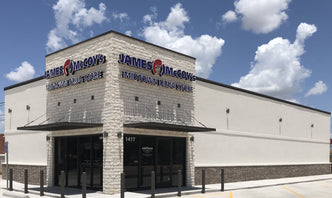
At James McCoy's Drug Store, our pharmacists are experienced in compounding LDN and work directly with prescribing providers across Abilene and the surrounding area. If your provider has written — or is considering — an LDN prescription, we can discuss formulation options, answer your questions about what to expect, and coordinate closely with your care team throughout.
We don't initiate LDN therapy — that conversation happens between you and your provider. But once they've determined it's appropriate, we're here to make sure the preparation is done right.
Schedule a consultation with our team to learn more about LDN compounding at JM Drug Store.
Frequently Asked Questions
Can I take naltrexone while drinking?
Taking naltrexone while drinking is generally not recommended without guidance from your prescribing provider. At standard doses, naltrexone blunts the rewarding effects of alcohol rather than causing a dangerous reaction — unlike disulfiram (Antabuse). However, some protocols do involve taking naltrexone specifically before drinking situations. Your provider will advise on the approach that's right for your treatment plan.
How long does naltrexone block alcohol?
For the standard oral tablet (50mg), the receptor-blocking effect lasts approximately 24 to 36 hours. The extended-release monthly injection (Vivitrol) maintains consistent blockade over the full 30-day dosing period. This sustained coverage is one reason the injectable form is often preferred for alcohol use disorder treatment.
Is naltrexone the same as LDN?
They're the same molecule, but used in very different ways. Standard naltrexone (50mg) is FDA-approved for opioid and alcohol use disorder and produces a sustained, deep receptor blockade. Low-dose naltrexone (1.5–4.5mg) is an off-label, provider-directed use at a fraction of that dose, with a different proposed mechanism — and because no commercial product exists at LDN doses, it requires preparation by a compounding pharmacy.
Does naltrexone help with weight loss?
The FDA-approved medication Contrave combines naltrexone and bupropion at specific doses for weight management — that is a distinct, approved formulation. Low-dose naltrexone for weight loss is a separate area of provider and research interest, without the same level of clinical evidence. If weight management is a goal, talk with your provider about whether any naltrexone-based approach fits your overall treatment picture.
How do I get a prescription for LDN?
LDN requires a prescription from a licensed healthcare provider — it is not available over the counter or through self-directed supplementation. If you're interested in exploring LDN, start by discussing it with your doctor or specialist. Once a prescription is written, a compounding pharmacy like James McCoy's Drug Store prepares your patient-specific formulation. Schedule a consultation with our team if you'd like to learn more about the compounding process.
Putting It Together
Naltrexone has a well-established, decades-long record in addiction medicine — and a growing research profile at low doses that has made it one of the more talked-about compounded medications in functional and integrative care. The two contexts are connected by the same molecule and the same receptor system, but they're distinct enough that understanding both gives you a much clearer picture of what your provider may be considering.
If you've been reading about LDN, or your provider has mentioned it as an option, the best next step is a conversation — with your provider about whether it's appropriate for your situation, and with a compounding pharmacist about how it's prepared and what to expect.
Our pharmacists at James McCoy's Drug Store have experience compounding LDN and work closely with prescribing providers across the Abilene area. We're here to answer your questions, coordinate with your care team, and prepare your medication with the same attention to detail we bring to every prescription that comes through our doors.
Schedule a consultation — or stop by any of our three Abilene locations.
This article is for informational purposes only and is not medical advice. Compounded medications require a prescription from a licensed healthcare provider. Talk to your provider and the team at James McCoy's Drug Store about whether a compounded preparation is appropriate for your situation.